
Starting a GLP-1 medication like semaglutide or tirzepatide changes how you think about eating. You might find yourself feeling full after just a few bites, or not feeling hungry when it's "time" to eat. This can feel confusing at first.
What to eat on GLP-1 isn't about following a strict diet, but about making smart choices that fuel your body well when you're eating less. The good news is with a few simple guidelines, you'll quickly learn how to eat in a way that feels natural and supports your health goals while on a GLP-1 like semaglutide or tirzepatide.
Why Your Eating Habits Need to Shift
GLP-1 medications work by slowing down digestion and reducing your appetite. According to the National Institute of Diabetes and Digestive and Kidney Diseases, these medications help regulate blood sugar and make you feel fuller for longer periods. This means traditional "diet rules" about when and how much to eat don't always apply anymore.
Your new GLP-1 diet is about choosing nutrient-dense foods in smaller quantities. When you're eating less overall, every bite needs to count toward giving your body the vitamins, minerals, and protein it needs to thrive. Think of this as a GLP-1 nutrition guide focused on quality over quantity.
Building Your GLP-1 Eating Plan
Protein First, Always
Protein is your most important nutrient when using any GLP-1 medication. Research published in the American Journal of Clinical Nutrition shows that adequate protein intake helps preserve muscle mass during weight loss. When you're losing weight, your body can lose muscle along with fat if you're not eating enough protein. You want to lose fat, not muscle.
Aim for 25-30 grams of protein at each meal from sources like chicken, turkey, fish, lean beef, eggs, Greek yogurt, cottage cheese, tofu, and legumes. If you're feeling nauseated, stick with easily digestible proteins like eggs, Greek yogurt, or baked chicken. Start each meal with your protein source first, then add other foods if you still have room.
Choose Foods That Sit Well
Because your stomach empties more slowly on GLP-1 medications, certain foods may cause more discomfort than others. Most people find that cooked vegetables are easier to digest than raw ones, especially during the first few weeks of treatment. Whole grains like oatmeal (only steel-cut or rolled oats without artificial or real sweeteners), quinoa, and brown rice in moderate portions typically work well. Fresh fruits are usually well-tolerated and provide important vitamins.
Focus on foods that digest easily: cooked vegetables, whole grains in moderation, fresh fruits, and lean proteins. Limit very high-fat or greasy foods, extremely spicy dishes, and carbonated beverages that can make you feel uncomfortably full. Pay attention to how your body responds to different foods and adjust accordingly—everyone's tolerance is different.
The Strategy for Healthy Weight Loss
The key is eating smaller meals but not more. The reason is to run a calorie deficit to burn your excess fat stores. We recommend 2 meals a day that are smaller (11-12 and 4-6) so you're not eating within 3-4 hours of going to sleep to maximize your quality sleep.
1) Fasting 12-16 hours nightly (zero calories overnight) and being mindful to not eat just anything when you wake up, particularly a carb based food bar or cereal. This starts your insulin-blood sugar "roller coaster" which causes the blood sugar to crash every 2-3 hours.
2) Focus on protein. You should shoot for 1-1.5 grams per kilogram of ideal body weight for height. 55-80 grams for a 5'4" female and 70-110 grams for a 5'9" male.
3) Adequate hydration. Start with large amounts of water (or non caloric fluid source with only stevia, monk fruit, or allulose). You can also use these to sweeten tea or coffee in the morning. Avoid aspartame (equal), sucralose (Splenda), and saccharin.
4) Avoid ultra processed foods. Just read the ingredients and keep it simple.
Stay Hydrated, But Time It Right
Water is crucial for digestion, especially when your digestive system is moving more slowly. The Centers for Disease Control and Prevention emphasizes the importance of adequate hydration for overall health. Aim for at least 64 ounces of water daily, more if you're exercising. Sip water throughout the day rather than drinking large amounts at once. Avoid drinking too much during meals, as this can make you feel uncomfortably full. Keep a water bottle handy and take small sips between meals instead.
Add Fiber Gradually
Fiber supports healthy digestion and helps prevent constipation, which can be a side effect of GLP-1 medications. However, adding too much fiber too quickly can cause bloating and gas. Research from the Journal of the Academy of Nutrition and Dietetics shows that adequate fiber intake supports digestive health and can aid in weight management. Gradually increase fiber through fruits, vegetables, and whole grains—don't add too much at once. Pair fiber intake with adequate water for best digestive results. Start slow and increase gradually as your body adjusts to the medication.
Sample Meal Plan: Putting Your GLP-1 Diet in Action
Understanding what to eat on GLP-1 is easier when you can see it in action. Here's a sample day of meal ideas that prioritize protein, use smaller portions, and focus on foods that are generally well-tolerated. Remember, these are guidelines. You can adjust portions and foods based on what works for your body.
Breakfast (7:00 AM) Greek yogurt (¾ cup) topped with mixed berries and a small handful of almonds, or two scrambled eggs with sautéed spinach and a slice of whole grain toast. These options are protein-rich and generally well-tolerated even if you're experiencing some nausea.
Mid-Morning Snack (10:00 AM) A protein shake or one hard-boiled egg with a small piece of fruit. This keeps your energy steady without overwhelming your stomach.
Lunch (12:30 PM) Grilled chicken salad with mixed greens, cherry tomatoes, cucumbers, and olive oil dressing, or half of a turkey and avocado wrap with a side of fresh fruit. Remember, you're aiming for smaller portions that prioritize protein and vegetables.
Afternoon Snack (3:00 PM) Cottage cheese (½ cup) with sliced peaches, or a small handful of almonds with an apple. These grab-and-go options ensure you're getting nutrition even when you're not particularly hungry.
Dinner (6:00 PM) Baked salmon (4 oz) with roasted vegetables like broccoli and carrots, or lean beef stir-fry with mixed vegetables and a modest portion (½ cup) of brown rice. Focus on lean proteins and cooked vegetables that are easier to digest.
Evening Snack (if needed, 8:00 PM) A small protein smoothie or a few slices of turkey breast. Keep this light if you need something before bed.
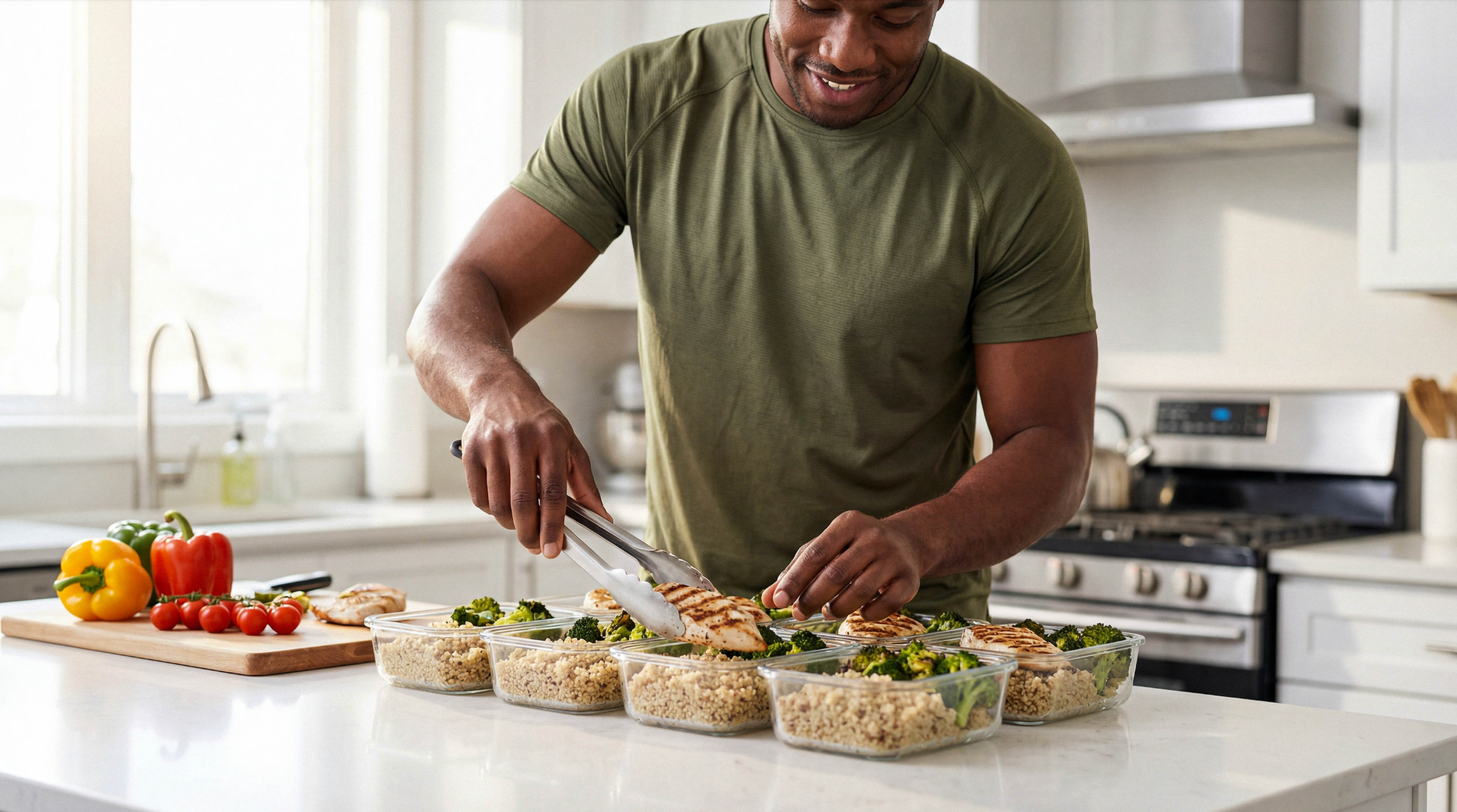
Time-Saving Strategies: Meal prep your protein sources in batches at the beginning of the week—grill several chicken breasts, hard-boil a dozen eggs, or bake a few portions of salmon. Use smaller plates to match your smaller portions; this helps your meals look satisfying rather than sparse. Pre-portion snacks into containers so you're not tempted to eat more than is comfortable. Keep a variety of grab-and-go protein options in your fridge so you're never stuck without something nutritious to eat.
What Foods to Avoid or Limit
While there are no completely forbidden foods on a GLP-1 nutrition guide, some items are better limited. Ultra-processed foods that are high in calories but low in nutrients won't serve you well when you're eating smaller amounts overall. Sugary drinks and excessive sweets can sometimes cause uncomfortable symptoms similar to dumping syndrome.
Be cautious with alcohol. It can affect you more strongly when you're eating less food, and it may increase nausea. Very large meals should be avoided even if they fit your nutritional goals—your stomach simply can't handle the volume comfortably anymore.
Remember, this isn't about perfection. Occasional treats in moderation are absolutely fine. The goal is to make nutritious choices most of the time, not to follow rigid rules that make eating stressful.
Learning to Listen to Your Body
One of the most valuable skills you'll develop is recognizing your new fullness cues. Stop eating when you feel satisfied, not when you feel stuffed. On GLP-1 medications, the difference between comfortably full and uncomfortably overfull is often just a few bites.
Keep a simple food journal for the first few weeks. Note what you eat, when you eat it, and how you feel afterward. This helps you identify patterns—which foods give you energy, which ones cause discomfort, and which meals work best at different times of day. Your tolerance may change as you adjust to the medication, so stay flexible.
If you're struggling to meet your nutritional needs or want personalized guidance, consider working with a registered dietitian who understands GLP-1 medications. They can create a customized plan that fits your lifestyle and preferences.
You've Got This!
Learning what to eat on GLP-1 is about working with your body's new signals, not against them. The core principles are simple: prioritize protein at every meal, choose high-quality nutrient-dense foods, eat smaller portions more frequently, and stay hydrated. This becomes second nature with practice.
Be patient and compassionate with yourself during this adjustment period. Some days will feel easier than others. Some foods you thought you'd love might not sit well, while others become new favorites. That's all part of finding what works for your body.
Need Support Building Your GLP-1 Nutrition Plan?
At YourEra, we're here to support you beyond just prescribing medication. Whether you have questions about meal planning, need help troubleshooting digestive issues, or want guidance on building sustainable eating habits, our care team is ready to help. Your success on this journey depends on more than just the medication—it depends on having the knowledge, support, and confidence to make choices that serve your long-term health. And that's exactly what we're here to provide.
Our experienced physicians create individualized care plans that include nutritional guidance tailored to your unique needs and goals. We combine trusted medical expertise with practical support, helping you navigate every aspect of your GLP-1 journey—from managing side effects to optimizing your diet for sustainable results. Because your health journey deserves more than a one-size-fits-all approach. It deserves a partner who understands that lasting success comes from comprehensive, personalized care.
.png)